Tips
Scratch vs Python: Which Should Your Child Learn First?
Scratch and Python are both excellent starting points — but they suit different ages and learning styles. Here is how to decide which is right for your child right now.
Scratch and Python are both excellent starting points — but they suit different ages and learning styles. Here is how to decide which is right for your child right now.
One of the most common questions we get from parents is: 'Should my child start with Scratch or just go straight to Python?' It sounds simple, but the answer can genuinely affect how much your child enjoys learning and how quickly they progress.
What Scratch and Python Have in Common
Both languages teach the same foundational concepts: loops, conditionals, variables, functions, and events. The logic is identical. The difference is in how that logic is expressed — visually with Scratch, or in typed text with Python.
The Case for Starting with Scratch
Scratch removes every barrier that exists between a child and their first program. There are no spelling mistakes, no missing brackets, no confusing error messages. Children drag colourful blocks, snap them together, and see a sprite move across the screen within seconds of sitting down.
This immediacy is not just motivating — it is developmentally appropriate. Young children need to see the connection between their actions and the results before they can reason abstractly about code. Scratch makes that connection completely visible.
- Best for ages 6–9, or any child who is a hesitant or slow reader
- Perfect for children with no prior technology experience
- Ideal for children who are highly visual or artistic
- Great for children who get frustrated easily — no syntax errors to worry about
- Builds confidence before introducing the complexity of typed code
The Case for Going Straight to Python
For older children — typically 10 and above — or children who are already confident readers and logical thinkers, Python can be the right first language. Python reads almost like English, and the satisfaction of typing a working program is enormous for children who are ready for it.
Jumping straight to Python also saves time. If your child is 13 and has a specific goal — building a game, working on a school project, preparing for an exam — Scratch is not the right tool. Python gets them there faster.
- Best for ages 10 and above, particularly confident readers
- Ideal for teenagers with a specific project goal
- Great for children preparing for school computer science exams
- Suited to children who are naturally systematic and detail-oriented
- Better choice if your child has already done some coding independently
The Scratch-to-Python Path
The most common and most successful path we see at Coding Buds is Scratch first, then Python. Children who come to Python after a solid Scratch foundation pick it up noticeably faster than children who start Python cold. They already understand loops. They already understand conditionals. The new challenge is just expressing those concepts in a different language.
At Coding Buds, we assess every child in a free trial class before recommending a starting point. We have taught thousands of children and the right starting course is not always obvious from age alone. Book a trial and we will tell you exactly where your child should begin.
One Rule That Never Fails
Whatever you choose, make sure your child builds something in the first session. Not watches a demo. Not fills in a worksheet. Builds something — even if it is just a sprite that says hello when you click it. That first moment of creation is what turns coding from a subject into a passion.
Ready to get started?
Book a free trial class for your child today.
No commitment required. See how we make coding fun, structured, and genuinely effective for kids aged 6–16.
Book a Free TrialMore Articles
Put Your Webpage on the Internet!
A step-by-step wizard tutorial for kids and teens to convert their Python code into a live webpage using GitHub Pages. No experience needed — just follow the magic!
Read Article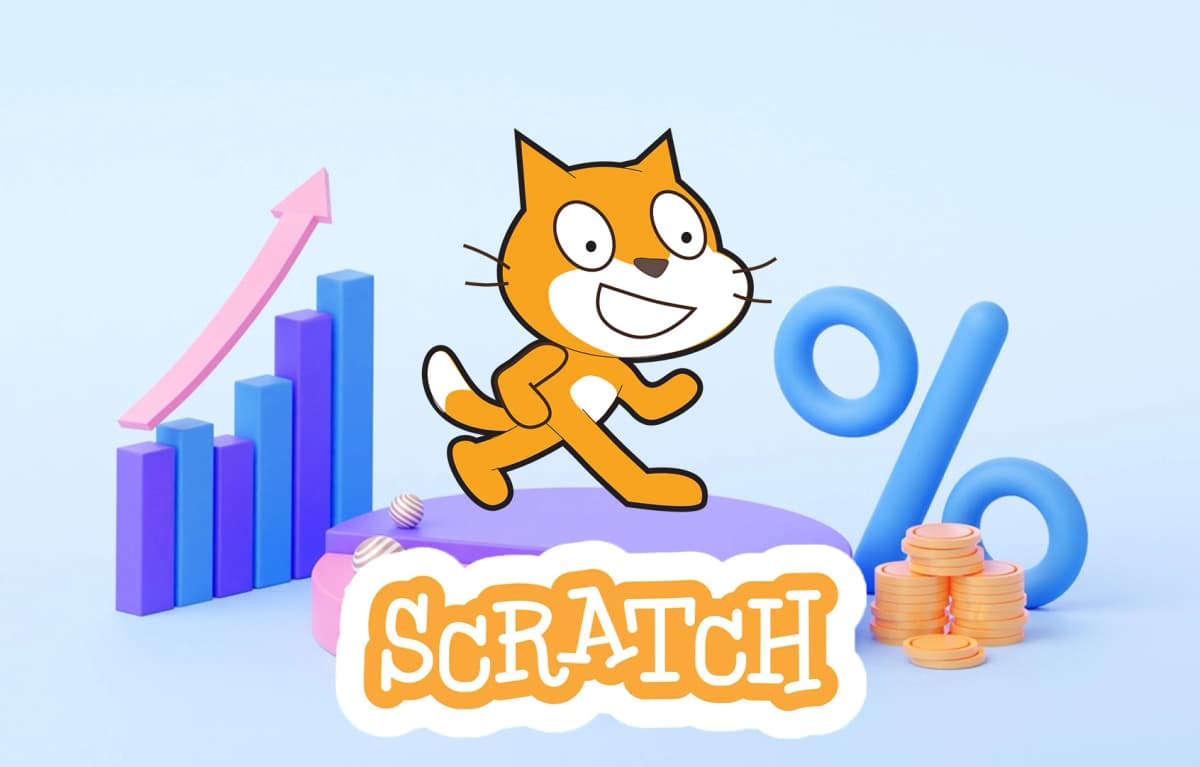
Getting Started with Scratch Programming for Kids
Scratch is the perfect introduction to coding for children. This visual programming language uses colourful blocks instead of complex text — making it ideal for ages 6 to 12.
Read Article
Why Python is Perfect for Young Programmers
Python's simple syntax and powerful capabilities make it an ideal first text-based programming language for kids and teens aged 8 and above.
Read Article