Scratch Programming
Getting Started with Scratch Programming for Kids
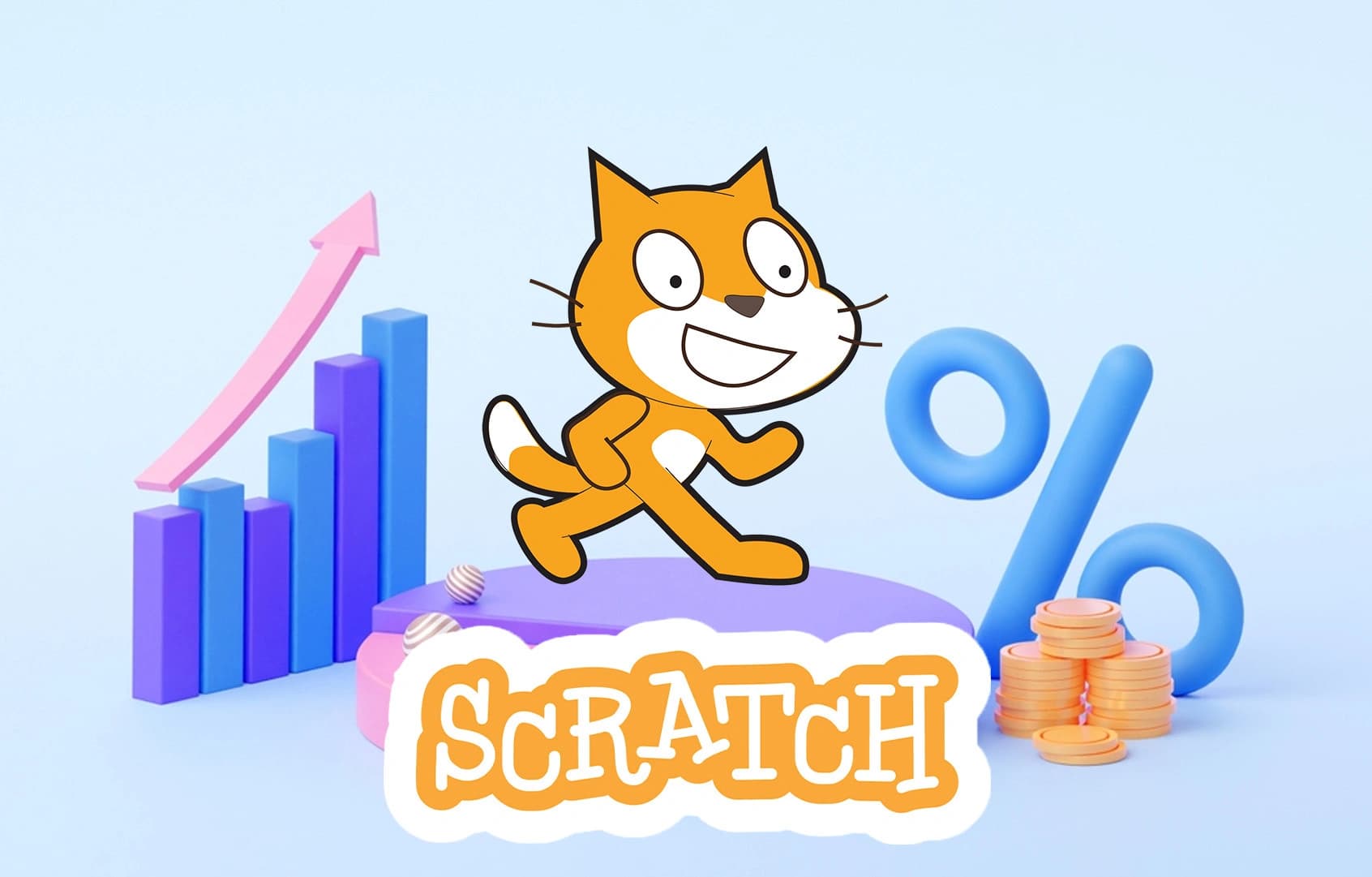
Scratch is the perfect introduction to coding for children. This visual programming language uses colourful blocks instead of complex text — making it ideal for ages 6 to 12.
Scratch is the perfect introduction to coding for children. This visual programming language uses colourful blocks instead of complex text — making it ideal for ages 6 to 12.
Every child who learns to code starts somewhere. For most kids aged 6 to 12, Scratch is that starting point — and for good reason. Created by MIT, Scratch replaces intimidating lines of text with colourful, drag-and-drop blocks that snap together like puzzle pieces. Your child is essentially coding before they even realise it.
Why Scratch is the Perfect First Step
Traditional programming languages like Python or JavaScript require children to remember exact spelling, punctuation, and structure. One missing semicolon and nothing works. For a 7-year-old, that frustration can kill the love of coding before it even begins.
Scratch removes that barrier entirely. Children see instant results: a sprite dances, a sound plays, a story unfolds. This immediate feedback loop is incredibly motivating and builds genuine confidence.
- No typing errors — blocks simply snap or don't snap
- Instant visual feedback keeps children engaged
- Introduces core concepts: loops, conditionals, variables, and events
- Shareable projects build pride and social motivation
- Free to use at scratch.mit.edu — no downloads needed
What Children Actually Build in Scratch
Parents are often surprised by how quickly children go from complete beginner to creating real, playable games. In a well-structured course, children typically build their first interactive project within the first two sessions.
Games
From simple catch games to multi-level platformers, Scratch handles game logic beautifully. Children learn about scoring systems, collision detection, and game loops — concepts that transfer directly to professional game development later.
Animations and Stories
Kids who love art and storytelling find Scratch immediately appealing. They create animated characters, voiced stories, and even short films — all coded by themselves.
Quizzes and Interactive Apps
Older children in the Scratch age range often build quiz games, math challenges, or simple music apps. These projects involve variables and user input — solid programming foundations.
The Skills Scratch Secretly Teaches
Beyond coding, Scratch builds cognitive skills that benefit children across every subject in school.
- Logical sequencing — understanding that order matters
- Decomposition — breaking big problems into smaller steps
- Debugging — finding and fixing mistakes calmly
- Creative thinking — designing something from nothing
- Persistence — trying again when something doesn't work
Research from MIT found that children who learn Scratch show measurable improvements in mathematical reasoning and systematic thinking — skills that benefit them far beyond coding class.
When Should My Child Start Scratch?
Most children are ready for Scratch around age 6, though some confident readers start as young as 5. The key indicators are basic reading ability (to understand block labels) and the ability to use a mouse or trackpad with reasonable control.
At Coding Buds, we assess each child individually during a free trial class. Some 6-year-olds are ready to zoom ahead; some 9-year-olds benefit from starting with the absolute basics. There is no wrong pace — only the pace that works for your child.
What Comes After Scratch?
Scratch is a beginning, not a destination. Once children are comfortable with its concepts — typically after a structured course — they are well prepared to move into Python, where the same logical thinking applies but with real text-based code.
Many of our students make this transition between ages 9 and 12, and the Scratch foundation makes Python feel familiar rather than daunting. The jump is smaller than parents expect.
At Coding Buds, our Scratch course is 48 sessions long and designed to genuinely challenge children at every stage — not just keep them entertained. By the end, they have a portfolio of projects they built themselves.
Ready to get started?
Book a free trial class for your child today.
No commitment required. See how we make coding fun, structured, and genuinely effective for kids aged 6–16.
Book a Free TrialMore Articles
Put Your Webpage on the Internet!
A step-by-step wizard tutorial for kids and teens to convert their Python code into a live webpage using GitHub Pages. No experience needed — just follow the magic!
Read Article
Why Python is Perfect for Young Programmers
Python's simple syntax and powerful capabilities make it an ideal first text-based programming language for kids and teens aged 8 and above.
Read ArticleBuilding Your First Website: A Teen's Guide
Web development opens doors to endless possibilities. Learn how teenagers can create their own websites using HTML, CSS, and JavaScript — and why every parent should consider this course for their child.
Read Article