Tips
Is My Child Ready to Learn Coding? 7 Signs to Look For
You do not need to wait until your child expresses interest in technology before introducing coding. Here are seven reliable signs that a child is ready to start — some of which have nothing to do with computers at all.
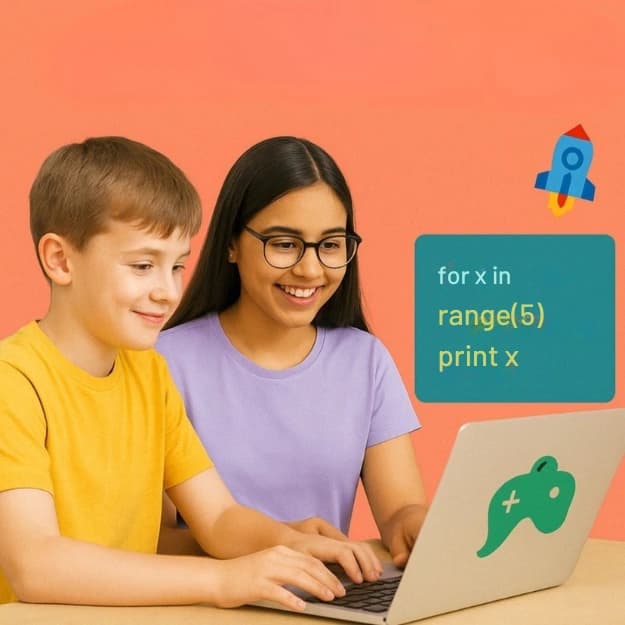
You do not need to wait until your child expresses interest in technology before introducing coding. Here are seven reliable signs that a child is ready to start — some of which have nothing to do with computers at all.
Parents often ask us: 'Is my child old enough for coding classes?' The honest answer is that age is only one factor — and often not the most important one. We have seen 6-year-olds who are completely ready and 11-year-olds who benefit from starting with the absolute basics. Here are the signs we actually look for.
1. They Follow Multi-Step Instructions
Coding is fundamentally about telling a computer what to do, step by step. Children who can follow a sequence of instructions — a recipe, a board game rulebook, a set of LEGO instructions — already think in the way coding requires. This skill matters more than any technical knowledge.
2. They Ask 'How Does That Work?'
Natural curiosity about how things function is a strong predictor of coding success. Children who look at a video game and wonder how it was made, or who ask why a traffic light changes in a specific order, are already thinking like engineers.
3. They Enjoy Puzzles and Logic Games
Sudoku, chess, logic puzzles, building games like Minecraft — these all engage the same systematic thinking that coding requires. If your child gravitates towards any of these, they are very likely to enjoy programming.
4. They Can Read Independently
For Scratch, basic reading ability is sufficient — the block labels need to be understandable. For Python and other text-based languages, confident reading is essential. This is often the most practical factor in determining which course to start with.
5. They Persist When Something is Difficult
Coding involves encountering problems that do not work immediately. Children who are willing to try again rather than giving up immediately will find programming deeply rewarding. Children who tend to get very frustrated when things go wrong can still thrive — but may need more encouragement at first.
6. They Enjoy Creating Things
Drawing, building, writing stories, designing in Minecraft, making things with their hands — any creative impulse is a good sign. Coding is ultimately a creative medium. Children who love to make things take to coding very naturally once they realise it is just another way to build.
7. They Have 60 Minutes of Focus Available
This is the most practical requirement of all. Our classes are 60 minutes long and require genuine concentration. Children who can engage with an activity for an hour — not necessarily coding, just anything they enjoy — are practically ready to start.
If your child shows four or more of these signs, they are almost certainly ready to start coding right now. Book a free trial and we will confirm it in the first session.
What If My Child Does Not Show These Signs Yet?
Many children develop readiness quickly. If your child is 5 or 6 and not quite there yet, check again in six months. Readiness often arrives suddenly. And remember — the free trial exists precisely to test fit. There is no risk in trying.
Ready to get started?
Book a free trial class for your child today.
No commitment required. See how we make coding fun, structured, and genuinely effective for kids aged 6–16.
Book a Free TrialMore Articles
Put Your Webpage on the Internet!
A step-by-step wizard tutorial for kids and teens to convert their Python code into a live webpage using GitHub Pages. No experience needed — just follow the magic!
Read Article
Getting Started with Scratch Programming for Kids
Scratch is the perfect introduction to coding for children. This visual programming language uses colourful blocks instead of complex text — making it ideal for ages 6 to 12.
Read Article
Why Python is Perfect for Young Programmers
Python's simple syntax and powerful capabilities make it an ideal first text-based programming language for kids and teens aged 8 and above.
Read Article