Tips
How to Help Your Child Practice Coding at Home (Without Being a Developer)
Most parents who want to support their child's coding education worry that they are not technical enough to help. Here is how to make a real difference without knowing a line of code.
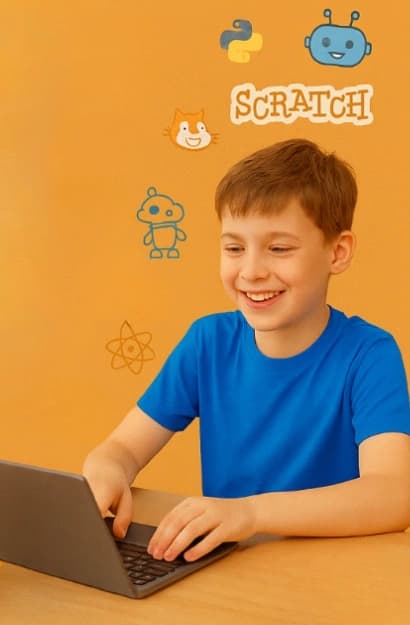
Most parents who want to support their child's coding education worry that they are not technical enough to help. Here is how to make a real difference without knowing a line of code.
One of the most common things parents tell us is: 'I would love to support my child's coding but I have no idea where to start — I am not technical at all.' This is the right instinct and the wrong worry. You do not need to know how to code to be an excellent supporter of a child who is learning. Here is what actually helps.
1. Ask to See What They Made — Every Session
The most powerful thing you can do after every coding class is ask your child to show you what they built. Not 'how was class?' — 'show me what you made.' This does two things: it signals that the work matters to you, and it gives the child an audience, which dramatically increases motivation.
You do not need to understand what they show you. Genuine curiosity is enough. 'What does that part do?' 'How did you figure that out?' 'What would you add next?' These questions cost nothing and mean everything.
2. Give Them Protected Time
Coding requires uninterrupted concentration. A 30-minute session that is constantly interrupted by requests or notifications produces far less learning than a focused 20-minute block. Help your child carve out protected time — ideally the same time each day or week, so it becomes a habit.
3. Resist the Urge to Fix Things for Them
When your child gets stuck and frustrated, every parental instinct says: help them. Resist it. The moment of struggle — sitting with a bug, trying different approaches, finally figuring out what went wrong — is where the most valuable learning happens. Your job is to stay calm beside them, not to solve the problem for them.
What you can do: ask questions. 'What have you tried?' 'What do you think the problem might be?' 'What happens if you change that one bit?' This is called Socratic support — guiding through questions rather than answers — and it is more effective than direct help even when you do know the answer.
4. Connect Coding to Things They Love
The fastest way to sustain motivation is to connect coding to your child's existing passions. Does your child love football? Talk about how the Premier League uses data science. Does she love art? Look at generative art made with code together. Does he love space? Talk about how NASA's software works.
You are not teaching them coding with these conversations. You are showing them that coding is everywhere and that it connects to everything they care about.
5. Celebrate Effort, Not Just Results
Coding involves a lot of failure before success. Programs do not work. Error messages appear. Ideas take longer to build than expected. Children who are praised for persistence — for trying again, for debugging patiently — develop the resilience that makes them excellent programmers long term.
Celebrate the attempt. Celebrate the debugging. Celebrate the moment they figure out why something did not work. Results will follow. The habit of persistence is the prize.
At Coding Buds, we share updates with parents after every session — what the child built, where they struggled, and what to ask about. You are never left in the dark, even if you do not understand the technical details yourself.
Ready to get started?
Book a free trial class for your child today.
No commitment required. See how we make coding fun, structured, and genuinely effective for kids aged 6–16.
Book a Free TrialMore Articles
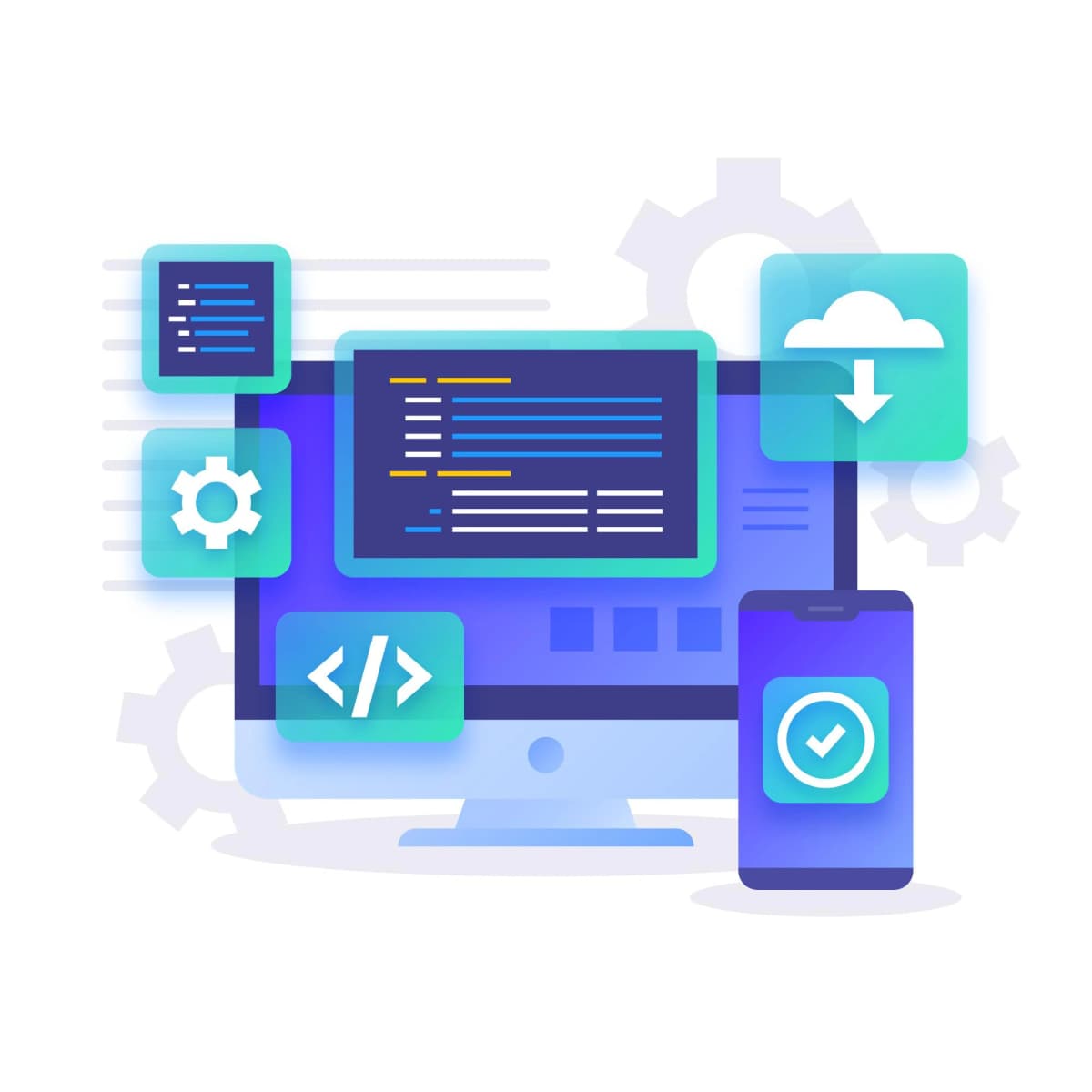
Put Your Webpage on the Internet!
A step-by-step wizard tutorial for kids and teens to convert their Python code into a live webpage using GitHub Pages. No experience needed — just follow the magic!
Read Article
Getting Started with Scratch Programming for Kids
Scratch is the perfect introduction to coding for children. This visual programming language uses colourful blocks instead of complex text — making it ideal for ages 6 to 12.
Read Article
Why Python is Perfect for Young Programmers
Python's simple syntax and powerful capabilities make it an ideal first text-based programming language for kids and teens aged 8 and above.
Read Article