
Education
Coding for Girls: Closing the Gap Early
Girls who start coding before age 10 are significantly more likely to pursue technology subjects later in school. Here is what the research shows, what barriers exist, and how parents can actively help.
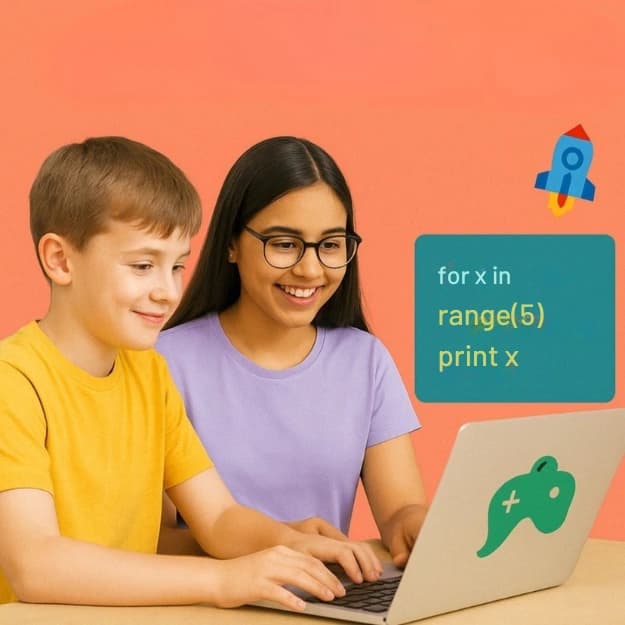
Girls who start coding before age 10 are significantly more likely to pursue technology subjects later in school. Here is what the research shows, what barriers exist, and how parents can actively help.
The gender gap in technology careers is not a pipeline problem that starts at university. Research consistently shows it begins much earlier — often before secondary school. By the time girls are 12 or 13, many have already formed beliefs about whether technology is 'for them.' Those beliefs are remarkably difficult to shift later. The opportunity — and the responsibility — lies with parents of younger children.
What the Research Shows
A longitudinal study tracking girls' interest in computing from ages 7 to 17 found that girls who were introduced to coding before age 10 were three times more likely to choose computer science subjects at secondary school than girls who were introduced to it after age 12.
The reason is straightforward: before the age of 10, most girls have not yet absorbed the cultural messaging that tells them technology is a male domain. They approach coding with the same openness they bring to anything new. After 12, reversing those messages requires active effort.
Why Girls Often Excel at Coding
There is a persistent myth that boys are naturally better at coding than girls. The evidence says otherwise. In structured coding education without social bias present, girls consistently match or outperform boys in computational thinking assessments.
- Attention to detail — a strength that makes debugging faster and more systematic
- Verbal reasoning — helps with understanding documentation and writing clean code
- Collaborative thinking — essential in professional software development
- Creative orientation — drives ambitious, beautiful project designs
- Persistence — girls in coding environments often show strong follow-through on complex projects
What Parents Can Do
Start Early
The single most effective thing a parent can do is introduce coding before the age of 10. This does not mean pushing — it means making it available, the way you might make a musical instrument available. Give it the chance to capture her interest.
Connect It to What She Already Loves
Does she love art? CSS and design. Animals? Build an animal quiz in Python. Music? Coding tools can generate sound. The connection between her interests and what coding makes possible matters enormously for initial motivation.
Normalise It at Home
The most powerful message a parent can send is treating coding as a normal, expected activity — not a special 'tech thing' reserved for children who are already interested in computers.
At Coding Buds, roughly half of our students are girls. Many of them started because a parent decided early that coding would be a normal part of their education — not because the child specifically asked for it. That decision has changed trajectories.
It Is Not Too Late at Any Age
While early exposure has the most impact, it is never too late. Teenagers who discover coding late often catch up quickly and develop strong identities as programmers. The key is removing the 'not for me' narrative — and nothing does that faster than building something impressive in the first session.
Ready to get started?
Book a free trial class for your child today.
No commitment required. See how we make coding fun, structured, and genuinely effective for kids aged 6–16.
Book a Free TrialMore Articles
Put Your Webpage on the Internet!
A step-by-step wizard tutorial for kids and teens to convert their Python code into a live webpage using GitHub Pages. No experience needed — just follow the magic!
Read Article
Getting Started with Scratch Programming for Kids
Scratch is the perfect introduction to coding for children. This visual programming language uses colourful blocks instead of complex text — making it ideal for ages 6 to 12.
Read Article
Why Python is Perfect for Young Programmers
Python's simple syntax and powerful capabilities make it an ideal first text-based programming language for kids and teens aged 8 and above.
Read Article